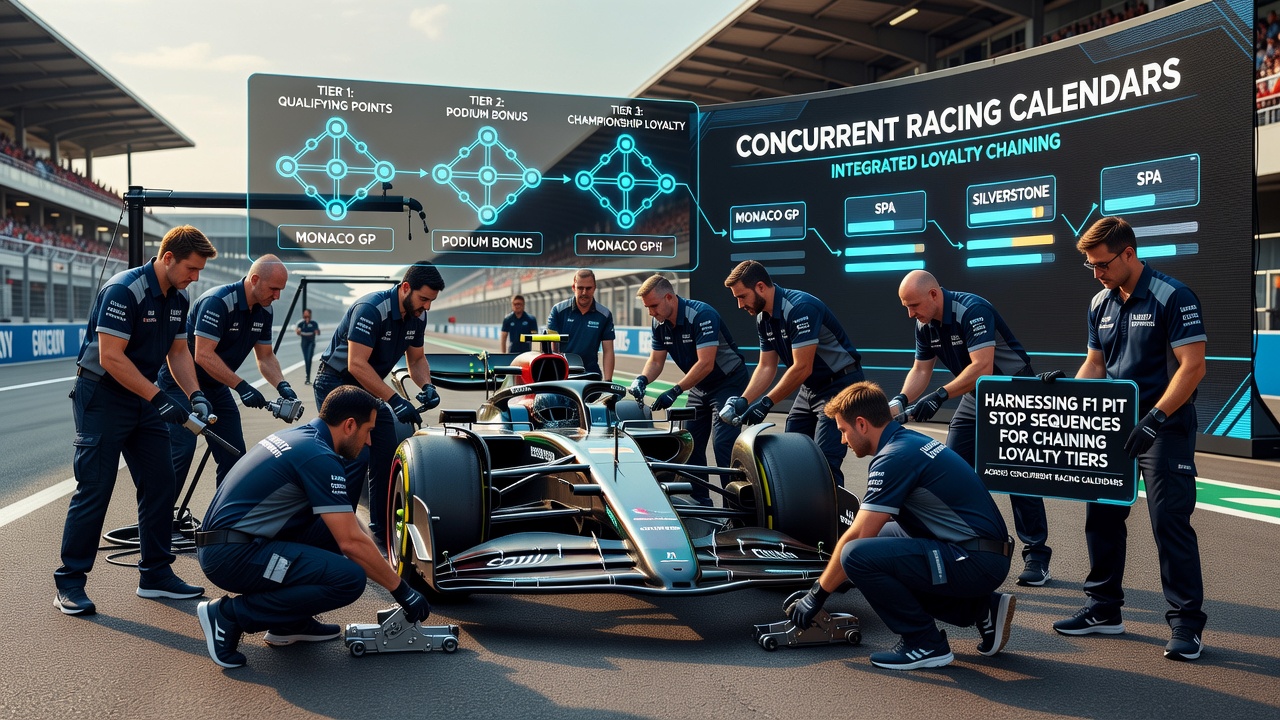
Coordinating Formula One Efficiency Models With Loyalty Tier Transitions in Overlapping Motorsport Seasons
Formula One pit stop sequences demonstrate precise timing, role specialization, and rapid execution that operators apply when managing loyalty tier transitions across concurrent racing calendars, and data from motorsport governing bodies shows multiple series such as Formula One, Formula E, and endurance events often overlap in late-season windows including November 2026. Observers note that these overlaps create opportunities for sequential bonus activations where each completed action functions like a tire change or fuel stop, allowing participants to maintain momentum without extended downtime between promotions tied to different championships.
Calendar Overlaps and Tier Progression Patterns
Concurrent calendars require careful mapping of event dates because Formula One typically schedules races through November while other series maintain parallel fixtures, and figures from the FIA reveal that the 2026 season includes multiple back-to-back weekends across regions. Those who track these patterns find that loyalty programs reward consistent engagement by advancing tiers after each verified race participation, yet the transition between one series and another demands exact sequencing to avoid gaps that reset progress. Researchers have documented cases where operators align tier thresholds with pit-stop style checkpoints, enabling users to carry forward accumulated points or status from one calendar directly into the next without interruption.
Sequential Activation Techniques
Operators structure loyalty workflows around timed triggers that mirror the division of labor in a pit lane, where one team member handles tires while another manages fuel, and similar specialization appears in bonus systems that separate deposit matches, cashback tiers, and multiplier events. Data indicates that chaining occurs when a user completes requirements for an F1-related promotion and immediately shifts to an overlapping endurance race offer, maintaining the active status through coordinated rollover periods. What's interesting is how these sequences prevent the loss of momentum that occurs when calendars collide without planned handoffs, and industry reports confirm that structured timing increases retention across multiple series during peak months like November 2026.
Practical Implementation Across Regions
European and North American platforms have adopted these methods at different scales, with some linking Formula One events to domestic stock car series that run parallel schedules. According to information published by the FIA, calendar coordination allows operators to synchronize reward releases with actual race conclusions, creating natural transition points. Participants often discover that treating each completed event as a pit stop allows them to activate the next tier requirement while the previous one processes, and this approach proves effective when multiple motorsport disciplines share overlapping broadcast windows and promotional windows.
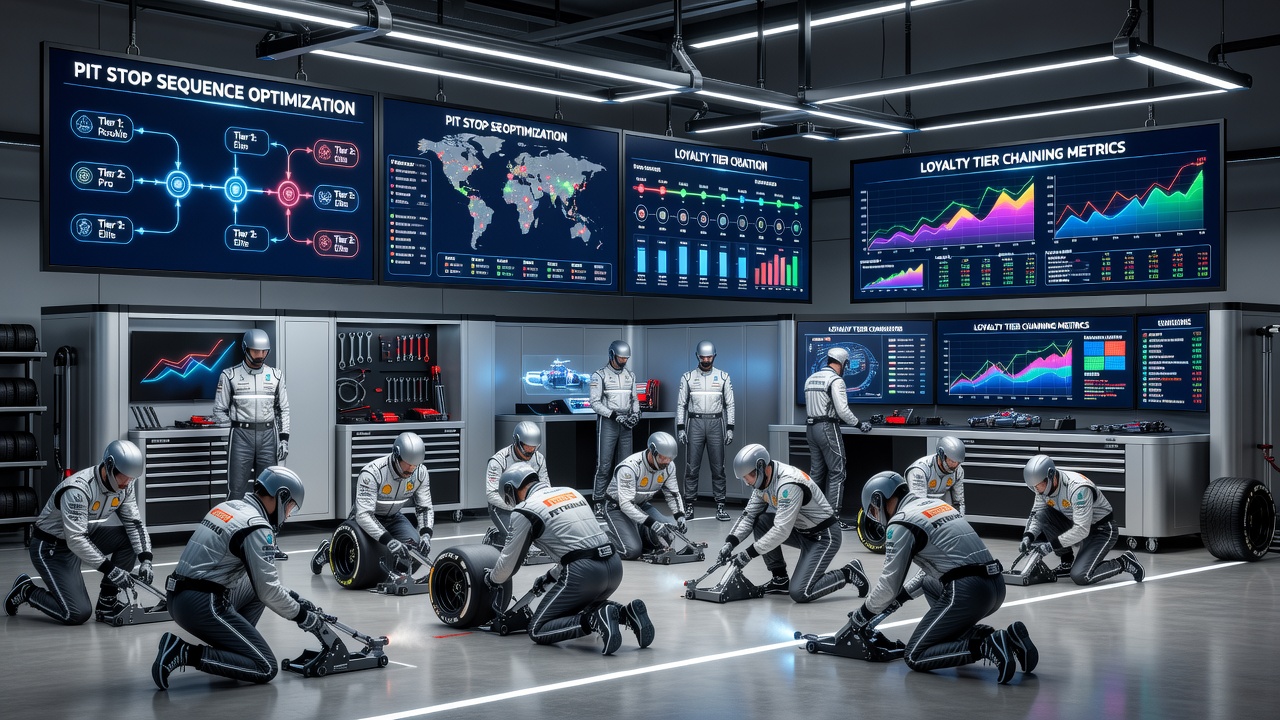
Timing Mechanisms and Status Retention
Retention improves when systems incorporate buffer periods modeled on the seconds required for a complete pit stop, and studies from racing analytics groups show that delays between tier advancements correlate with higher dropout rates. Platforms therefore build automated checkpoints that activate upon verified race results, allowing users to progress through loyalty levels even as one calendar ends and another continues. Those who monitor these systems report that the technique reduces friction during November transitions when Formula One approaches its finale while other series enter their final rounds, and the structured handoff keeps engagement continuous rather than episodic.
Conclusion
Formula One pit stop sequences provide a proven framework for managing loyalty tier advancements across concurrent racing calendars because the emphasis on speed, coordination, and minimal downtime translates directly into operational strategies that operators already apply in practice. Evidence from calendar data and platform implementations demonstrates that structured sequencing supports sustained participation through periods of schedule density, particularly visible in late 2026 when multiple series reach their conclusions simultaneously. The approach remains grounded in observable timing patterns rather than speculative elements, offering a factual basis for how reward systems adapt to the realities of overlapping motorsport seasons.