Synchronizing FIDE Chess Events with Loyalty Tier Progressions for Effective Rollover Management in Global Betting Lulls
International chess governing bodies publish annual calendars that detail major tournaments and qualification cycles, and these schedules intersect with bookmaker loyalty programs in specific ways during periods when other sporting events slow down. Data from industry reports shows that operators adjust bonus structures around such calendars to accommodate rollover requirements, especially when global betting activity dips between major leagues and tournaments.
Calendar Structures and Tier Requirements
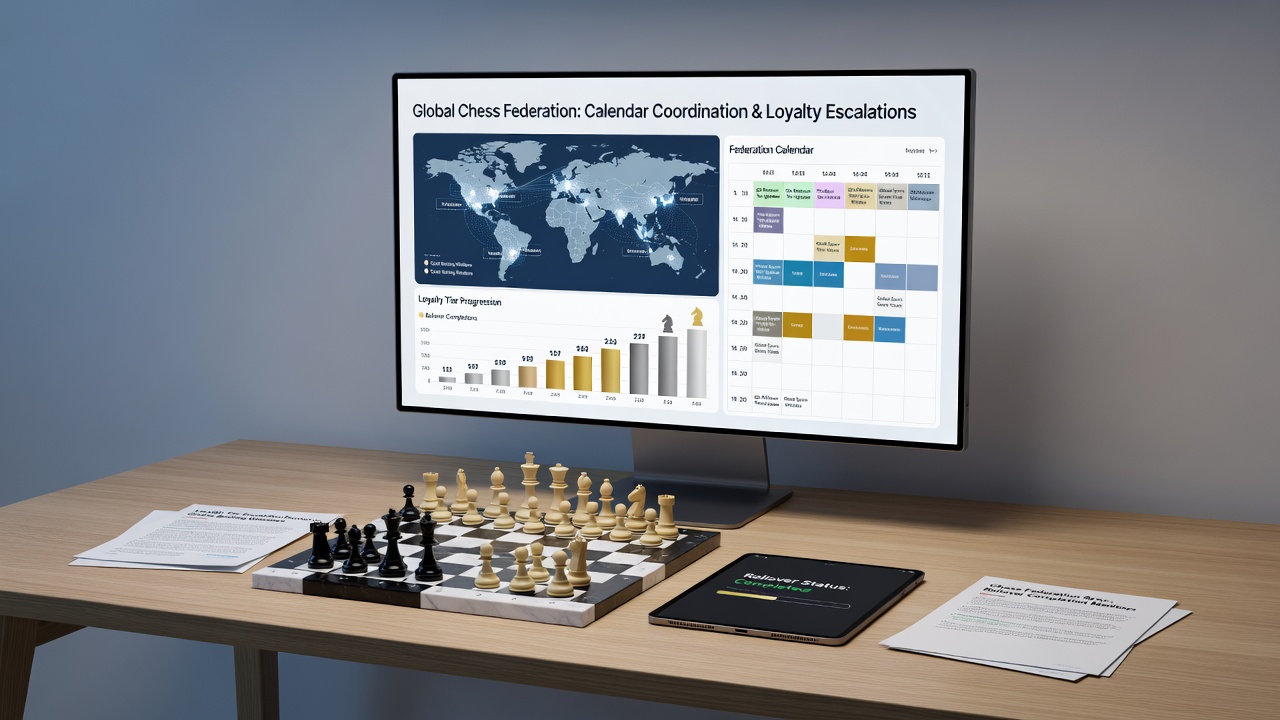
Observers note that FIDE maintains a structured timeline for events including the Candidates Tournament and world championship cycles, while national federations add regional competitions that create predictable gaps in the overall schedule. These gaps align with quiet betting windows where operators promote loyalty tier escalations, allowing participants to complete rollover thresholds without competing against high-volume sports markets. Research indicates that loyalty programs often escalate multipliers during these windows, and figures reveal increased engagement when chess fixtures provide steady, lower-traffic betting opportunities.
Those who track these patterns find that tier progression depends on accumulated points from wagers placed on chess markets, and rollover completions become feasible when calendars show multi-week lulls between major events. According to data compiled by European gaming associations, such alignments occur most clearly in late-year periods when motorsport seasons wind down and before winter football schedules intensify.
Quiet Windows in October 2026
October 2026 features several FIDE-sanctioned events that fall between continental qualifiers and year-end festivals, creating extended intervals where betting volumes on chess remain consistent yet moderate. Loyalty tier escalations during these intervals allow users to advance through reward levels while satisfying rollover conditions tied to specific deposit bonuses. Studies from research institutions show that operators release targeted promotions in these windows because chess markets offer stable lines with predictable outcomes that support controlled wagering volumes.

What's interesting is how these periods coincide with reduced activity in other regions, enabling seamless migration of rollover progress across platforms. People who monitor federation announcements note that October schedules often list team championships and junior events that generate sufficient markets without overwhelming betting traffic, which in turn supports tier escalations without external competition from high-profile leagues.
Practical Coordination Methods
Experts have observed that successful rollover management requires cross-referencing federation calendars with individual loyalty program rules, since each operator sets distinct point thresholds and time limits. Those who've studied integration patterns find that placing wagers on live chess matches during quiet windows helps accumulate the necessary activity while advancing tier status. Data shows that rollover completions accelerate when promotions activate precisely during federation-scheduled breaks, because operators design these offers to fill otherwise underutilized market segments.
Industry organizations report that geographic variations in chess event density allow users in different regions to select platforms whose quiet periods match local tournament schedules. For instance, Australian regulatory bodies track similar overlaps in esports-adjacent markets, while North American research centers document how chess qualifiers create reliable windows for bonus conversion across multiple jurisdictions.
Regional Variations and Data Patterns
Evidence suggests that European and Asian chess federations publish calendars with staggered dates, which creates overlapping quiet periods when combined with global betting trends. Loyalty escalations tied to these dates show measurable increases in tier advancement rates according to aggregated operator statistics. Observers note that participants who align their activity with these patterns complete rollovers more efficiently because the underlying markets remain active without drawing excessive attention from other sports.
One study revealed that October 2026 quiet windows provide approximately three distinct intervals suitable for loyalty progression, each lasting between seven and fourteen days depending on the specific federation schedule. Figures from gaming research groups indicate that rollover efficiency improves when users select events that match their platform's bonus timelines rather than attempting simultaneous management across unrelated sports.
Conclusion
Coordinating chess federation calendars with loyalty tier escalations requires systematic review of published schedules and program terms, and data indicates measurable benefits during identified quiet global betting windows. Those who apply these alignments complete rollover requirements while advancing through reward structures in a structured manner. Continued monitoring of both federation announcements and operator updates supports consistent application across different regions and platforms.